Veteran Addiction Treatment for PTSD and Military Sexual Trauma: What Helped One Combat Veteran Recover

Combat veteran Michael O’Connor shares his journey from living overseas isolated from VA resources to finding help through the Veterans of Foreign Wars, entering treatment at Miracles Asia, co-founded by Mark Heathe during COVID, and building a life in recovery he never imagined possible.
Michael O’Connor, an 82nd Airborne Infantry veteran, shares his personal transformation after transitioning to civilian life. Having struggled with trauma, moral injury, and a deep sense of loss following his military service, he turned to addiction as a coping mechanism. Michael, who is also a Military Sexual Trauma survivor and a veteran outreach advocate for Miracles Asia in Thailand, now stresses the critical role of community in a veteran’s sobriety and recovery. Peer support reawakened his sense of purpose and duty, resulting in a drive to help more veterans find the same.
If you’re a veteran currently struggling with addiction, remember you are not alone. Join Michael in finding brotherhood and hope in recovery.
Mark and Michael appeared on The Silenced Voices of MST to discuss how Miracles Asia provides holistic recovery for veterans struggling with addiction, PTSD, and trauma, including military sexual trauma. Michael shares his journey from living overseas isolated from VA resources to finding help through the Veterans of Foreign Wars, entering treatment at Miracles Asia during COVID, and building a life in recovery he never imagined possible. He now works with Miracles Asia to help other veterans access the same care that saved his life.
Potential Trigger Warning: This episode contains discussion of addiction, suicidal ideation, sexual trauma, substance use disorders, and PTSD.
Introduction to Miracles Asia and Personal Journeys
Michael lived in Southeast Asia for many years, disconnected from the VA and any recovery communities. He was off grid, overseas for a long time without the support systems that might have helped him recognize he needed treatment. The pain finally became too great. He reached a tipping point where he had to raise his hand and ask for help.
Asking for help required surrender, which Michael acknowledges is particularly difficult for veterans. He references the Ranger Creed, which states that surrender is not a Ranger word. Yet through surrender, he achieved victory. He realized that his greatest weakness became his greatest strength. That tipping point required not only asking for help but also becoming willing to let go and trust people he did not know.
Michael points out that resources for veterans now feel like an ocean. Veterans new to seeking help face the challenge of navigating where to go when there are so many places and options. He did not understand at the time that he had services available to him.
Why Seeking Help is Difficult for Veterans
Michael explains how veterans living overseas can access treatment through the VA Foreign Medical Program (FMP). When he needs care, he can go to an accredited facility and generally pays out of pocket first, then the FMP reimburses him. Because there is a massive community of veterans overseas, many institutions now cater to the veteran community.
Bangkok Hospital, for example, treats veterans and then bills the FMP directly. This removes the burden of paying out of pocket, which helps veterans who are living on disability benefits or social security. The VFW in Chiang Mai reached out to Mark when Michael needed help. At that time, Michael was willing to do whatever it took. Mark took him in during COVID, even though he was not sure about how it would work. Mark knew Michael needed help and was willing to provide it.
Michael's Transformation due to Miracles Asia's Program
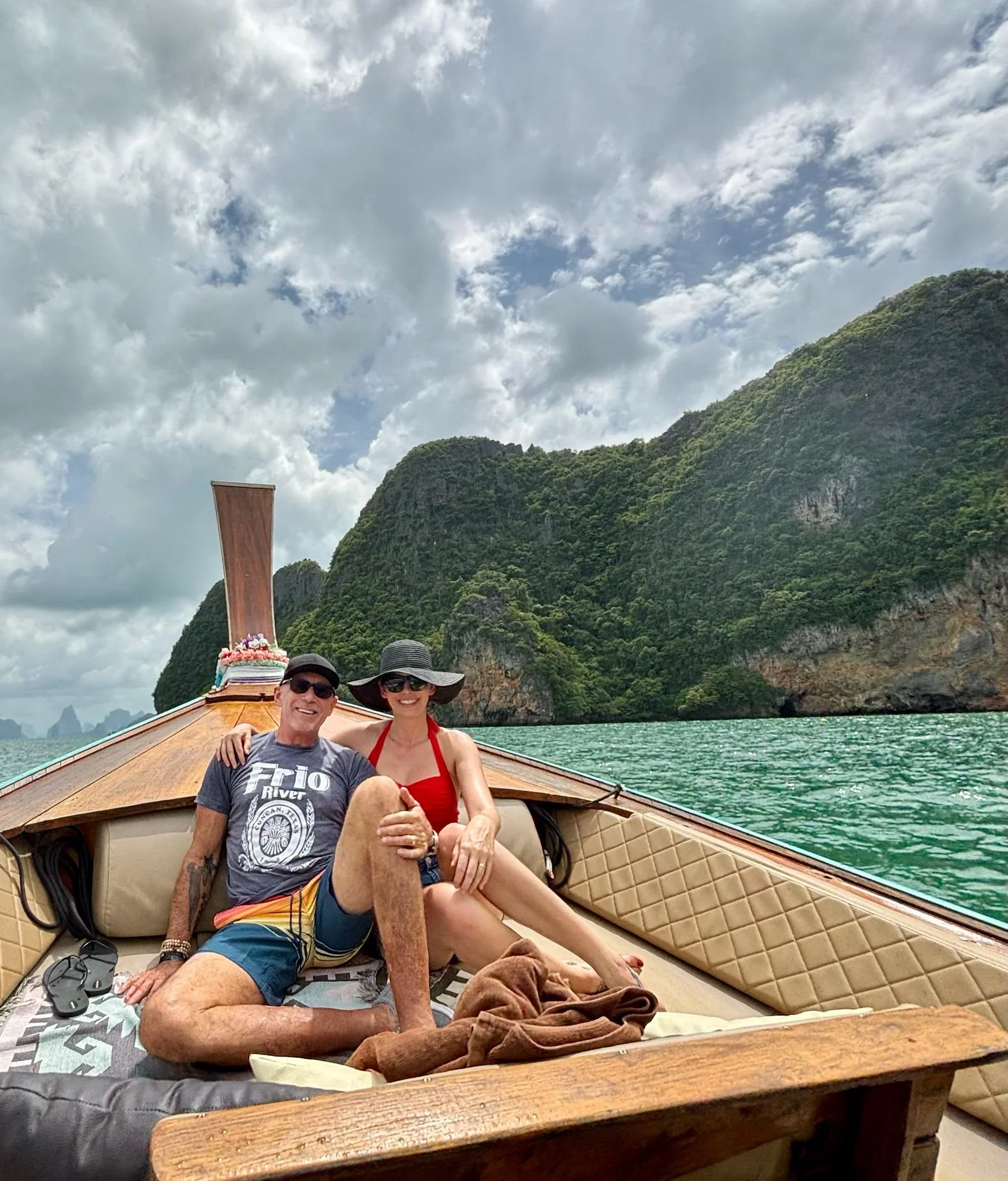
Miracles Asia operates as a small, family-owned center on a tropical island in Thailand. The environment itself contributes to healing.
Michael addresses how substance use and alcoholism are prevalent in the sexual trauma space. Substance use disorders co-occur with PTSD. The VA and the government acknowledge this connection, which allows veterans to get care through the FMP.
When Michael entered treatment at Miracles Asia and removed alcohol and drugs from his life, he was able to work through meditation, EMDR, CBT, eating right, sleeping right, and being in a community of loving and kind people. This holistic wellness allowed him to openly discuss other things as well, including his sexual trauma.
What Sets Miracles Asia Apart From Other Rehabs
Michael credits Miracles Asia with giving him a life beyond his imagination. He contrasts the program with traditional rehabilitation facilities he experienced before, which felt sterile, isolating, and transactional. Those programs followed a set timeline where patients completed treatment and then returned home to manage recovery alone.
Miracles Asia operates as a small, family-owned center on a tropical island in Thailand. The environment itself contributes to healing. The program incorporates yoga, walks on the beach, fresh food, excursions, and community building as essential elements of recovery. Mark and Michael say the setting matters because trauma and addiction affect the whole person, and healing requires more than addressing symptoms in clinical settings.
The holistic approach includes meditation, EMDR (Eye Movement Desensitization and Reprocessing), Cognitive Behavioral Therapy, healthy eating, physical activity, and genuine connection with others in recovery. Michael appreciates the passion Mark and his team bring to working with veterans and civilians. The small scale allows for individualized attention and flexibility in treatment approaches.
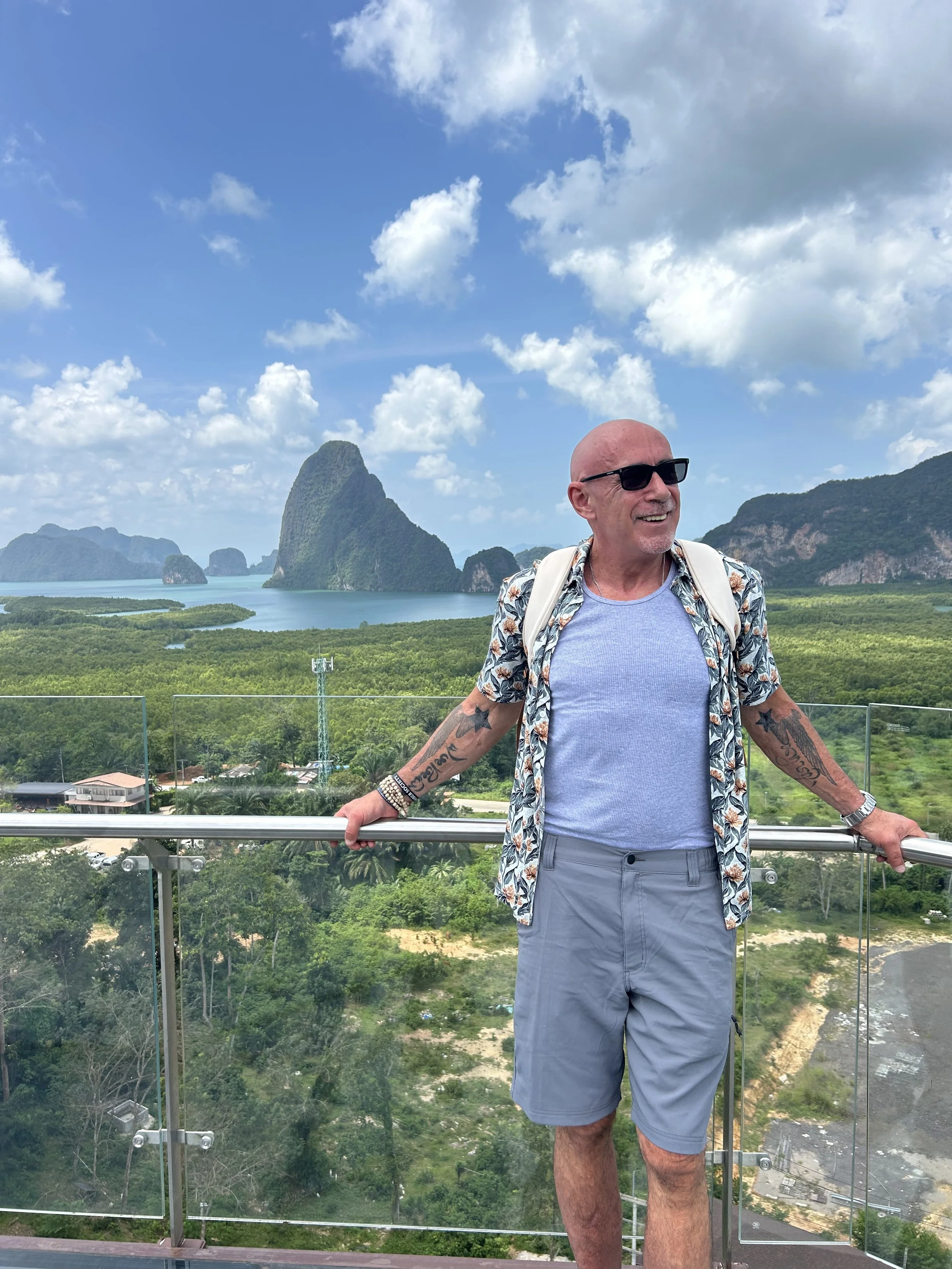
Learning to meditate, talking in group settings, and asking for help all felt uncomfortable at first. These practices required Michael to confront the military conditioning that taught him to suppress emotions and handle everything independently.
Expanding Their Program to More Veterans
Michael now works with Miracles Asia to market their services to the veteran community and participates in ongoing Zoom meetings that foster continued support after treatment. This ongoing connection prevents the isolation that often leads to relapse. Mark and Michael are expanding the program to accommodate more veterans through a specific veteran cohort, with their first group arriving soon.
Michael shares that Miracles Asia's doctor identified one of his medications was causing suicidal ideation and discontinued it. He is now abstinent from pharmaceuticals and reports feeling better than he has in years. This medical oversight represents another way Miracles Asia differs from programs that might not thoroughly evaluate how medications interact with trauma recovery.
Michael Shares His Experience with EMDR Treatment
Mark and Michael explain EMDR (Eye Movement Desensitization and Reprocessing) as a therapeutic method that helps individuals process trauma without requiring detailed verbal descriptions of traumatic events. EMDR uses bilateral stimulation, typically through guided eye movements, to help the brain reprocess traumatic memories and reduce their emotional impact.
Research supports EMDR as an effective treatment for PTSD. A 2019 study found EMDR was clinically effective and the most cost-effective of 11 trauma therapies evaluated for adults with PTSD (Simpson et al., 2025). A 1998 study by Carlson et al found that military veterans who received EMDR experienced a 77% remission in their PTSD diagnosis within 12 sessions (Carlson et al., 1998).
EMDR does not require detailed descriptions of traumatic events, prolonged exposure to memories, or homework between sessions. Both weekly treatment and intensive daily treatment groups produced statistically significant results that were maintained at 1-year follow-up. The 10-day EMDR intensive daily treatment produced similar outcomes to weekly treatment.
Michael describes his EMDR sessions at Miracles Asia with honesty about the initial difficulty. He experienced anger and emotional intensity during the process. Despite the discomfort, he found EMDR valuable for processing trauma that had affected him for years. He points out that EMDR is non-invasive and drug-free.
The VA offers EMDR for free to MST survivors. Veterans do not need to have reported the incident when it happened, and they do not need documentation to access care. Eligibility for VA MST-related care is expansive. The VA offers evidence-based therapies like Cognitive Processing Therapy and EMDR to address trauma symptoms effectively, regardless of service-connected disability status.
The New Coping Tools for a Healthy Life
Michael discusses the importance of daily routines and rituals in maintaining recovery. He acknowledges the initial awkwardness and vulnerability involved in learning new coping mechanisms. Learning to meditate, talking in group settings, and asking for help all felt uncomfortable at first. These practices required Michael to confront the military conditioning that taught him to suppress emotions and handle everything independently.
The tools Michael learned at Miracles Asia help him navigate daily struggles without resorting to substance use. He says recovery does not mean achieving a perfect life without challenges. Recovery means having the tools to cope with life's difficulties in healthy ways. When stress, triggers, or painful emotions arise, Michael now has alternatives to alcohol and drugs.
The stakes for developing these tools are high. About 30% of Army suicides and over 45% of suicide attempts since 2003 involved alcohol or drug use (NIDA, 2025). An average of 20 veterans die by suicide every day (U.S. Department of Veterans Affairs, 2016). If you or someone you know is in crisis, call the Veterans Crisis Line at 988 and press 1. Recovery tools and daily practices can save lives by providing veterans with ways to manage PTSD symptoms, process trauma, and maintain sobriety during difficult periods.
The Prevalence of Sexual Trauma in Veteran Recovery Stories

Michael O’Connor and Mark Heather appear on The Silenced Voices of MST to discuss how Miracles Asia provides holistic recovery for veterans struggling with addiction, PTSD, and trauma, including military sexual trauma.
Michael notes the prevalence of sexual trauma among people in recovery spaces. He commits to openly discussing and advocating for this issue within the veteran community. He wants to break the stigma surrounding sexual trauma in ways similar to how stigma around addiction has decreased over recent decades. By speaking openly about his own experience with sexual trauma, Michael hopes to make it easier for other veterans to seek help.
An estimated 1 in 3 female veterans and 1 in 50 male veterans in the Department of Veterans Affairs health care system report experiencing sexual assault or harassment in the military (VA National Center for PTSD, 2024). While women face higher rates of sexual trauma by percentage, nearly 40% of veterans who disclose Military Sexual Trauma to the VA are men (DAV, 2024). Sexual trauma affects veterans across all demographics.
Female veterans are more likely to experience mental illness and sexual trauma, and face increased risk of developing substance use disorders when they have PTSD or specific medical conditions. They are also at greater risk for suicide compared to female civilians and male veterans.
Approximately 14% of men and 24% of women veterans are diagnosed with PTSD (VA, 2024). About 29% of living U.S. veterans who served in Iraq or Afghanistan have had PTSD at some point in their lives (NIDA, 2025). These statistics represent individuals living with real pain who need access to comprehensive treatment that addresses both trauma and any co-occurring substance use disorders.
A Special Message for Veterans Who Might Be Struggling
Mark says veterans do not have to face recovery alone. Veterans frequently isolate themselves due to shame, stigma, or the belief that others cannot understand their experiences. This isolation increases the risk of relapse and suicide.
Michael encourages veterans to ask for help, share openly about their struggles, and connect with others in recovery. He talks about the importance of faith and connection in his own recovery journey. The community at Miracles Asia and the ongoing support through Zoom meetings provide Michael with people who understand addiction and trauma recovery.
Research confirms the importance of community-centered treatment. Veterans with PTSD and alcohol use disorder had significantly elevated rates of major depression (36.8% versus 2.3%), generalized anxiety disorder (43.5% versus 4.1%), suicidal ideation (39.1% versus 7.0%), and suicide attempts (46.0% versus 4.1%) compared to veterans with alcohol use disorder only (Norman et al., 2019). The combination of PTSD and substance use disorder creates compounding mental health risks that require integrated treatment.
Holistic treatment for veterans addresses diverse and complex needs by integrating alternative therapies and lifestyle changes that heal the whole person. Miracles Asia incorporates this community-centered approach in their programming.
Resources for Veterans Seeking Help
Veterans struggling with addiction, PTSD, or trauma can take several steps to access help. The Veterans of Foreign Wars connected Michael with Miracles Asia, and they can connect other veterans with appropriate resources. Organizations like the VFW understand the specific challenges veterans face and can provide guidance on navigating treatment options for veteran rehab that treats MST.
Veterans can contact the VA about MST-related care without needing proof or documentation of the assault. The VA's policy on MST-related care is designed to reduce barriers to treatment. Veterans can also inquire about EMDR therapy through the VA, which offers it at no cost.
Treatment options like Miracles Asia in Phuket, Thailand provide alternatives to traditional rehabilitation facilities for PTSD and addiction treatment for combat veterans. The Foreign Medical Program may reimburse treatment costs for veterans seeking overseas addiction treatment for veterans. Some facilities, including Bangkok Hospital, bill the Foreign Medical Program directly, reducing the financial burden on veterans.
Connecting with other veterans through support groups, online forums, or veteran organizations provides community support that enhances recovery. Michael found this community essential to his ongoing sobriety and mental health.
Contact Miracles Asia
For more information about Miracles Asia's veteran addiction treatment program in Phuket, Thailand:
Website: www.miraclesasia.com
Phone: +66 (0) 76 367 788
Email: info@miraclesasia.com
Miracles Asia specializes in treating co-occurring PTSD and substance use disorders in veterans, with expertise in military sexual trauma recovery. The program accepts referrals from the VFW and works with the VA Foreign Medical Program for eligible veterans.
Episode Chapters and Timestamps
00:00 Introduction to Miracles Asia and Personal Journeys
Triggering content 00:09 - 00:45 that includes discussion of PTSD, alcohol and drug addiction, and sexual trauma
01:58 Why Seeking Help is Difficult for Veterans
Triggering content 02:35 - 03:15 that includes discussion of suicidal ideation and surrender
04:50 Michael's Transformation due to Miracles Asia's Program
07:08 What Sets Miracles Asia Apart From Other Rehabs
09:29 Expanding Their Program to More Veterans
Triggering content 11:00 - 11:46 that includes discussion of suicidal ideation as a side effect of medication
12:17 Michael Shares His Experience with EMDR Treatment
14:33 The New Coping Tools for a Healthy Life
16:35 The Prevalence of Sexual Trauma in Veteran Recovery Stories
Triggering content 16:35 - 18:17 that includes discussion of sexual trauma prevalence in recovery spaces
19:26 A Special Message for Veterans Who Might Be Struggling
References
Carlson, J. G., Chemtob, C. M., Rusnak, K., Hedlund, N. L., & Muraoka, M. Y. (1998). Eye movement desensitization and reprocessing (EDMR) treatment for combat-related posttraumatic stress disorder. Journal of Traumatic Stress, 11(1), 3-24.
Disabled American Veterans (DAV). (2024). What is MST? Military Sexual Trauma. Retrieved from https://www.dav.org/get-help-now/veteran-topics-resources/military-sexual-trauma-mst/
National Institute on Drug Abuse (NIDA). (2025, January 30). Substance Use and Military Life DrugFacts. Retrieved from https://nida.nih.gov/publications/drugfacts/substance-use-military-life
Norman, S. B., Hamblen, J. L., Schnurr, P. P., Eftekhari, A., Stein, M. B., Rosen, C., ... & Karlin, B. E. (2019). Co-Occurring Post-Traumatic Stress Disorder and Alcohol Use Disorder in U.S. Military and Veteran Populations. Alcohol Research: Current Reviews, 40(2).
Norman, S. B., Haller, M., Hamblen, J. L., Southwick, S. M., & Pietrzak, R. H. (2017). Substance use disorders in military veterans: prevalence and treatment challenges. Substance Abuse and Rehabilitation, 8, 69-77.
Simpson, A., Dutton, M., Dimambro, M., Gebhardt, H., Fraade, A., Winer, M., Enciso, M., & Shiner, B. (2025). Clinical and cost-effectiveness of eye movement desensitization and reprocessing for treatment and prevention of post-traumatic stress disorder in adults: A systematic review and meta-analysis. British Journal of Psychology.
U.S. Department of Veterans Affairs. (2016). Veteran suicide data report. Retrieved from https://www.mentalhealth.va.gov/suicide_prevention/data.asp
U.S. Department of Veterans Affairs, National Center for PTSD. (2024). Military Sexual Trauma. Retrieved from https://www.ptsd.va.gov/understand/types/sexual_trauma_military.asp
Veterans Addiction. (2025, June 17). Statistics on Veterans and Substance Abuse. Retrieved from https://veteranaddiction.org/resources/veteran-statistics/