
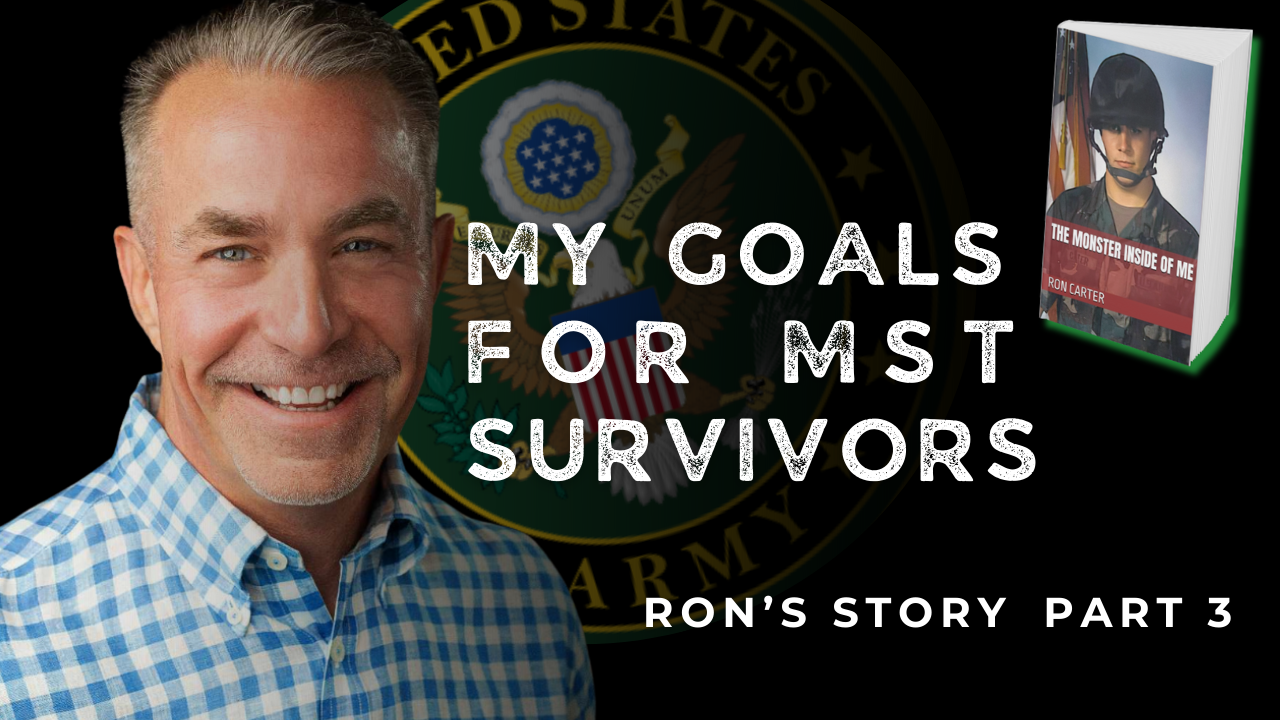
Ron Carter’s New Goals for Military Sexual Trauma Survivors (Part 3) The Silenced Voices of MST with Rachelle Smith
Military Sexual Trauma survivor Ron Carter appears on The Silenced Voices of MST to share the experiences that shaped his early service, the assault he endured, and the long-term effects that developed when the trauma went unrecognized. This interview begins a three-part series that follows his path from enlistment through MST, behavioral collapse, and his eventual understanding of PTSD outside of combat contexts. His story offers clear insight into how MST develops within military structures and how untreated trauma influences thinking, memory, relationships, and emotional regulation over decades.
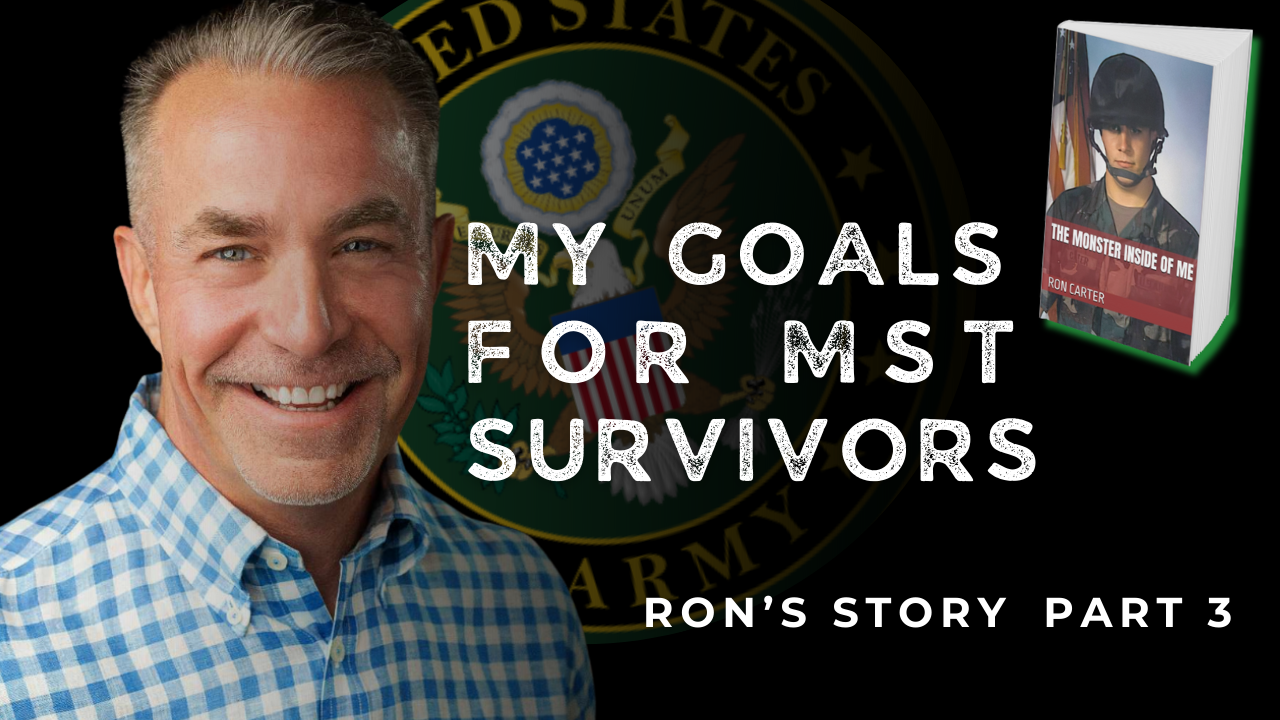
U.S. Army veteran Ron Carter discusses Military Sexual Trauma, finding benefit in doing intensive therapy and somatic release to come to terms with what he survived while serving on The Silenced Voices of MST.
U.S. Army veteran Ron Carter continues his story on The Silenced Voices of MST. In Part 1, Ron shared his experience of assault and decades of undiagnosed PTSD. In Part 2, he shares a possible reason for the outcome of filing his disability claim with uncharacteristic ease that validated his trauma and raised more questions, reaching his breaking point at an annual VA appointment, and his experiences through therapy and alternative treatments. Ron shares insights in going from crisis to acceptance, the role of persistence in navigating, and what is possible when survivors finally find therapies that work.
Finding The Monster Inside of Me
Ron discusses his book The Monster Inside of Me, available on Amazon, which tells his personal story of surviving military sexual trauma. When Ron thinks about Military Sexual Trauma, he draws a direct comparison to the Catholic Church priest abuse scandal. "Those priests were being shuffled around," Ron explains. To him, what happens with MST is just as horrible. The key difference is media attention. The Catholic Church scandal dominated headlines while military sexual trauma barely registers as newsworthy to senators, congresspeople, or major outlets. Ron believes men being less willing to talk about what happened contributes to this silence.
Ron makes clear he'll talk about military sexual trauma with anyone, anywhere, regardless of what people think. He emphasizes Americans need to know this happens every single day.
How the Book Came Together with Investigative Editor Martin Phillips
Ron shares the story of how he came to work with Martin Phillips, an investigative editor who recently retired from The Sun in London. The connection happened through a chain of events starting with a trip to Texas to meet Eddie Dean, someone with ideas about brain function. During the visit, Ron connected with a veteran who had worked with British author Damien Lewis, known for World War II books and whose work was recently adapted into the Guy Ritchie film The Ministry of Ungentlemanly Warfare. He confirmed the story should be told but explained he was under contract through 2027, which led to the introduction to Martin Phillips.
The two worked together for a year and a half, emailing, editing, and conducting calls. Ron shared his experiences, Martin would send questions, and Ron would provide detailed answers. Despite their efforts, they couldn't find a publisher willing to take on the book. The reluctance stems from concerns about hurting military recruitment numbers, which also explains why mainstream media ignores the issue. Ron plans to continue his advocacy work by reaching out to major podcast hosts like Lex Fridman and Shawn Ryan, challenging them to address an issue affecting their military community.
The Reaction When People Hear the Truth
Trigger Warning: sharing his MST story with others and the scale of MST
Ron explains that conversations about his experiences typically begin with someone asking how his VA benefits were secured. He mentions that people assume combat-related PTSD because of his appearance and demeanor.
When the clarification comes, it always surprises them. No combat? Ron discloses the truth of being drugged, beaten, and raped during military service.
U.S. Army veteran Ron Carter discusses Military Sexual Trauma, finding benefit in doing intensive therapy and somatic release to come to terms with what he survived while serving on The Silenced Voices of MST.
He explains that without exception, every single person drops their jaw in shock and disbelief. They can't believe this happens, especially to thousands of service members every single year. For survivors who've lived through this trauma, sweeping it under the rug becomes impossible once they find the strength to speak. These are young people who signed their lives away to serve their country, who may be asked to die for their country, and who are being raped by the people they're supposed to trust. The military is supposed to protect young troops through the NCO and officer corps, yet nearly every story involves enlisted personnel being taken advantage of by someone of higher rank, particularly NCOs.
Ron gets angry about this because the victims are poor kids, and they're still kids when this happens.
The normalization and secrecy doesn't make it acceptable, and the problem extends far beyond the United States military. Ron has connected with survivors in Australia, the UK, and other countries who share similar experiences. The pattern stays consistent across armed services around the world: military sexual trauma disproportionately affects young, economically disadvantaged service members.
The Power of Fighting and Refusing to Be Silent
Ron emphasizes how the military has historically driven cultural change in America. The armed forces were the first to integrate racially and pay women equally. Veterans carry these values back into their communities. Ron never spoke to a Black person before joining the military. His senior drill sergeant forced him to shed his biases quickly because survival required trusting every fellow service member. Those bonds between brothers make the betrayal of military sexual trauma horrific. When someone you trust with your life commits sexual violence against you, it shatters something.
Ron's Message to Survivors
Ron speaks directly to survivors who've held onto their stories for years. His first message: don't kill yourself. Ron has attempted suicide himself and feels grateful God saved his life. Life gets better, though the work is hard. The second hurdle is saying something about what happened. Ron understands this difficulty because it took a complete mental breakdown before he could speak about his own trauma.
Ron urges young survivors especially not to wait to seek help. Life becomes unbearably hard with hypervigilance. Veterans have extensive benefits and help available through the VA. Finding a battle buddy who's already navigated the system helps.
The VA Does Care and the Therapy Works
Ron’s message to survivors: stick with treatment because the VA staff care. People wouldn't work in those positions if they didn't care about helping veterans.
The therapy available through the VA is good, though survivors must do substantial work independently. This includes reading books and, for those who are religious, reconnecting with faith or finding a higher power. Over the last three to four years of healing and growth, Ron returned to Christ, which reinforced his therapy work. His spiritual practice reinforced his psilocybin treatment as well.
“I want this to stop. I want it to end for you men and young women, period, in our military. I want this to stop around the world.”
Healing requires getting out of a victim mentality and moving away from decision-making through the lizard brain's fight-or-flight response. Humans evolved to develop the frontal lobe, and using it to process thoughts and emotions in healthy ways is essential. This doesn't mean anger or sadness disappear. Instead, learning to process those emotions constructively instead of staying stuck in fight-or-flight mode prevents the creation of anxiety, depression, or both.
Anyone experiencing suicidal thoughts or ideation should reach out to someone at the VA immediately and get help.
Life Now: From Suicidal Ideation to Self-Love
Over the last three to four years, Ron’s life has transformed, and he exists in a much better emotional and psychological place exists now. This is a complete reversal from not long ago.
Ron’s core message must be emphasized: don't take your life.
Many people are told to reach out for help but don't follow through because they believe they're not worth it. The truth is different. Survivors are worth it. Finding a veteran friend who's already navigated the system helps. Survivors who reach out will find someone who responds, talks to them, helps them get started, hears their story, and listens. What most people want is telling their story to someone who cares.
Discouragement shouldn't win. If a therapist or doctor isn't a good fit, find a different one. Survivors will drive their own ship, and they must captain it. The subconscious should serve as the captain, with survivors controlling their internal dialogue.
The people you love... those relationships get better when moving away from suicidal ideation and hyper-vigilance. Ron wholeheartedly believes that humans are designed to love each other, and offers love freely to anyone who needs it.
This message extends to all survivors. Tell the young version of yourself you're loved and did nothing wrong. This applies to combat veterans as well. You were doing what you were asked to do, what you signed up to do. You were put through hell on earth. War is hell on earth, and sexual trauma is hell on earth, a different kind of war. All these traumatic experiences are spiritual wars happening in the mind. The message: you're loved.
Frequently Asked Questions About Military Sexual Trauma and Recovery
-
If you're a veteran who experienced military sexual trauma, start by contacting the VA. There are specialized MST coordinators at every VA facility who help you navigate benefits and treatment options. You don't need a service-connected disability rating to receive free MST-related care from the VA. You also call the Veterans Crisis Line at 988 (press 1) or text 838255 for immediate support. The Safe Helpline at 877-995-5247 provides confidential support specifically for military sexual trauma survivors. Finding a battle buddy or friend who's gone through the VA process also helps you navigate the system.
-
Men are less willing to talk about military sexual trauma for several reasons. There's significant stigma around male survivors of sexual assault. Many men fear being seen as weak or worry about how they'll be perceived. Ron Carter points out when he tells people he was drugged, beaten, and raped, their jaws drop because they can't believe it happens, especially to men. The shame and isolation are overwhelming. Men also may not be taken as seriously when they report, and they face the same retaliation risks as women. Ron emphasizes men need to speak up because MST happens to thousands of male service members every year.
-
Hypervigilance is a state of constant alertness and heightened awareness many trauma survivors experience. It happens when your brain stays in fight-or-flight mode instead of using your frontal lobe to process thoughts and emotions in a healthy way. Ron Carter describes it as living with constant anxiety, depression, or both. When you live with hypervigilance, life becomes extremely difficult. You can't be the person you were designed to be, and it damages your relationships with people you love. Ron promises life is way too hard with hypervigilance and urges survivors, especially young ones, not to wait to get help. Learning to process thoughts and emotions through therapy instead of staying in fight-or-flight response is critical to healing.
-
Ron Carter believes the media doesn't cover military sexual trauma adequately because it would kill military recruiting. While something horrific occasionally happens to women and makes headlines briefly, the issue doesn't stay newsworthy to senators, congresspeople, or major media outlets. Ron compares MST to the Catholic Church priest abuse scandal, noting both involve institutions shuffling predators around and silencing victims, yet MST receives far less attention. He suspects because men are less willing to talk about it, and because it would hurt military recruitment and readiness narratives, the issue stays largely hidden. Ron is determined to change this by speaking up anywhere he goes, including reaching out to platforms like Lex Fridman and the Shawn Ryan Show.
-
Yes, suicidal thoughts are unfortunately common among MST survivors, but Ron Carter's first and most important message is: Don't kill yourself. Ron himself has attempted suicide and is grateful God saved his life. He says this is what makes him cry, thinking about survivors who are struggling with depression and suicidal ideation. Life gets better, and it does. It's hard work, but it does get better. The next hard hurdle after deciding not to end your life is saying something and reaching out for help. If you have suicidal thoughts or ideation, reach out to someone at the VA immediately, call the Veterans Crisis Line at 988 (press 1), or text 838255. Ron promises you're worth it, even when you don't feel this way.
-
Resources specifically for male MST survivors are extremely limited. While the VA has MST coordinators at every facility who serve all genders, very few dedicated programs exist for men. Salt Lake Behavioral Health operates one of the few male-only military sexual trauma programs, a 30-day inpatient PTSD treatment program specializing in MST (Salt Lake Behavioral Health, 2025). Other organizations like the Military Rape Crisis Center, Warrior's Heart, and Road Home Program serve all genders but don't have male-specific programming. This gap in services reflects the broader invisibility of male MST survivors in the healthcare system. Every VA medical center has an MST Coordinator who assists male survivors in accessing care (VA Mental Health, 2025).
-
The numbers of male MST survivors are significantly underreported. Official VA data shows 1.1% of male veterans report military sexual trauma when screened (Kimerling et al., 2016), but this is only those who disclose. The Department of Defense reported 5.7% of male service members experienced military sexual harassment and 0.6% experienced military sexual assault, though these figures are considered low due to reporting and disclosure barriers (Frontiers in Psychiatry, 2024). Studies suggest approximately 90% of men in the military didn't report a sexual assault they experienced in 2021 (DAV, 2017). Despite lower percentages compared to women, the numbers of male and female MST survivors are comparable due to the higher ratio of men to women in the military. Nearly 40% of veterans who disclose MST to the VA are men (DAV, 2017). Over half of all veterans with military sexual trauma are men, making this a significant issue affecting male service members at alarming rates (VA Claims Insider, 2022).
-
Male MST survivors face distinct barriers preventing them from seeking help and disclosing their trauma. According to research, male survivors may be especially likely to tell no one and go it alone after MST due to fears of being judged (Make the Connection, VA.gov). Men often worry others will perceive the assault as weakness, femininity, or homosexual orientation, creating significant stigma (DAV, 2017). The VA National Center for PTSD notes perceived stigma impacts recovery, and male survivors face challenges in this area. Research published in Frontiers in Psychiatry (2024) found 94% of suicide deaths in Active Duty are males, yet male survivors receive far less attention and fewer dedicated resources. Additionally, studies of suicide risk among male MST survivors are notably limited, and given their overall risk for death by suicide, additional studies in males are needed to better understand this phenomenon (Frontiers in Psychiatry, 2024). The combination of stigma, lack of male-specific resources, and fear of not being believed creates a storm keeping male survivors silent and suffering.
Episode Trigger Warnings and Timestamps
00:00 The Monster Inside: A Journey of Healing
Triggering content 4:36-7:50 (sharing his MST story with others and the scale of MST)
05:29 The Hidden Epidemic in the Military
07:26 The Fight for Awareness and Change
07:45 Finding Your Voice and Seeking Help
11:07 A Message to Survivors: You Are Not Alone
19:25 Words of Love for the Younger Self
Resources from this Episode
Resources for Survivors
If you or someone you know is struggling with military sexual trauma, resources are available. For additional support navigating VA claims, download our free VA Disability Toolkit.
VA MST Support: Every VA facility has an MST coordinator. You don't need a service-connected disability rating or other VA benefits to receive MST-related care. Call your local VA or visit www.va.gov to connect with an MST coordinator.
Veterans Crisis Line: Call 988, then press 1. Available 24/7 for veterans in crisis. You can also text 838255 or chat online at VeteransCrisisLine.net.
Military OneSource: Offers confidential counseling and support for active-duty service members and their families. Call 800-342-9647 or visit MilitaryOneSource.mil
The Advocates of MST: By joining The Advocates, you add to a powerful collective voice that demands attention and action. Connect with others who understand your experiences and are committed to supporting each other. Find support at https://www.facebook.com/groups/theadvocatesofmst
Watch or Listen to Ron's Full Story
You can hear Part 3 Ron Carter’s story on The Silenced Voices of MST podcast available on all major podcast platforms including Apple Podcasts, Spotify, and YouTube. We dive deeper into his experience with the VA, his therapeutic journey, and his current advocacy work. If you haven't already, listen to Part 1 of Ron's story where he shares his assault experience and the years of undiagnosed PTSD that followed. In Part 2, he shares his experience of finding acceptance and peace.
About the Guest
Ron Carter is a former Army infantryman turned MST advocate. After surviving a premeditated and devastating assault while on active duty, he committed himself to supporting others who have been affected. Through speaking engagements and community work, Ron pushes for better resources and policy change and uses his platform to amplify survivor voices.
About the Host
Rachelle Smith is the host of The Silenced Voices of MST and a survivor of military sexual trauma. She served as a Public Affairs Officer in the Air Force after growing up in a military family. Her experience with MST and the years spent struggling with PTSD and depression gave her a unique understanding of what survivors face.
This podcast exists because she knew firsthand how isolating MST can be. Since launching The Silenced Voices of MST in 2023, she’s interviewed dozens of survivors, advocates, and experts. Her mission is to empower survivors by providing a space to amplify survivor stories and demand change.
Healing is the end goal of military sexual trauma.
You’re not alone, and you can explore more survivor stories and resources on our blog.
Help Keep This Podcast Going
I've been funding this podcast entirely on my own since 2023, and it hasn’t been easy. If this work has helped you or someone you care about, please consider supporting it with a monthly donation. Even $10 a month makes a real difference in covering hosting, editing, and production costs.
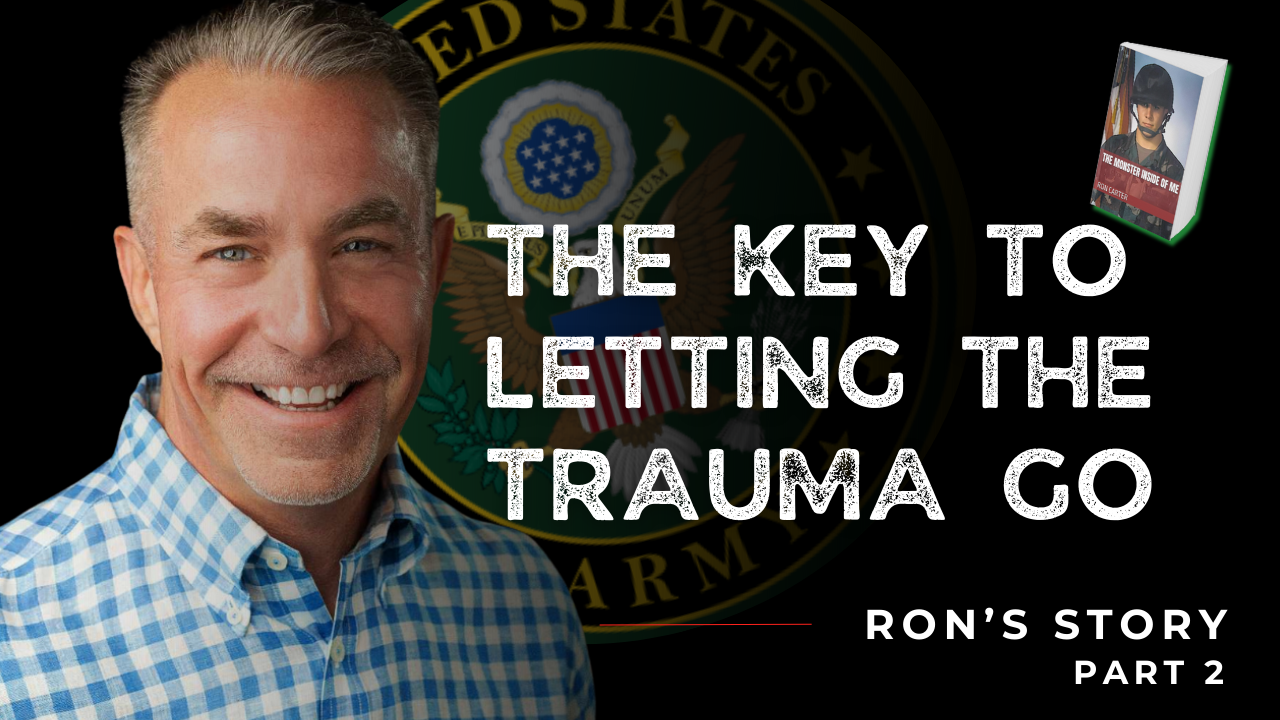
Military Sexual Trauma and Letting Go of Repressed Pain: Ron Carter (Part 2) | The Silenced Voices of MST with Rachelle Smith
Military Sexual Trauma survivor Ron Carter appears on The Silenced Voices of MST to share the experiences that shaped his early service, the assault he endured, and the long-term effects that developed when the trauma went unrecognized. This interview begins a three-part series that follows his path from enlistment through MST, behavioral collapse, and his eventual understanding of PTSD outside of combat contexts. His story offers clear insight into how MST develops within military structures and how untreated trauma influences thinking, memory, relationships, and emotional regulation over decades.
U.S. Army veteran Ron Carter discusses Military Sexual Trauma, finding benefit in doing intensive therapy and somatic release to come to terms with what he survived while serving on The Silenced Voices of MST.
U.S. Army veteran Ron Carter continues his story on The Silenced Voices of MST. In Part 1, Ron shared his experience of assault and decades of undiagnosed PTSD. In Part 2, he shares a possible reason for the outcome of filing his disability claim with uncharacteristic ease that validated his trauma and raised more questions, reaching his breaking point at an annual VA appointment, and his experiences through therapy and alternative treatments. Ron shares many profound insights going from crisis to acceptance, the role of persistence in navigating, and what is possible when survivors finally find therapies that work.
Military Sexual Trauma survivor Ron Carter appears on The Silenced Voices of MST in Part 2 of his 3-part series to recount what it was like finally seeking help after trying to live his life without acknowledging or understanding the severity of his assault while serving in the Army. An unexplained breakdown and an understanding VA staff led to him remembering the trauma he’d repressed for 35 years, and as soon as he could, he began treatment for PTSD and other mental illnesses that had resulted. He shares the methods of therapy he used to begin healing, including a detailed account of how Psilocybin therapy offered him somatic release from the trauma that remained trapped in his body. He and Rachelle discuss how predators and perpetrators can be held accountable, as well as their hopes for future generations having safety without people who commit crimes and harm having many places to hide. This episode provides invaluable insights into the importance of having support, numerous methods of therapy to choose from, and acknowledges that the military needs to do something in order to protect the men and women called to serve the country.
Dealing with the VA Disability Claims Process
Ron initially avoided anything connected to his military service. Years of suppressing his trauma led to a disconnect from the experiences that shaped his post-military life. He describes burying the assault so deeply that he convinced himself it never happened, or at least that it didn't matter anymore. This avoidance extended to the VA system itself. Ron resisted engaging with the VA because the military had already failed him once, and he questioned why the VA would be any different.
Despite his resistance, Ron eventually filed for PTSD disability. The approval came quickly. The VA granted him a 70% rating, but Ron was surprised about how easy it was to get to 100% with the help of a lawyer. The unexpected ease of the approval process raised questions about his perpetrator. Had the platoon sergeant harmed more people the same way? Without answers, Ron recalls that at times, he still feels rage resurface about that day. But he is also unsure that he would want that information, because he wasn’t sure if he’d be able to keep himself from doing anything about it.
Expressing deep concern for the future service members in the Armed Forces, he points out that he is oddly glad that if an assault were to happen to him at any point in his life, he was grateful that it was while serving in the military. Now, there are multitudes of resources and help available when someone understands what happened to them. The veterans’ benefits helped him and his family, while he realizes that civilians don’t usually have the same access to care. He calls this a silver lining.
But he does want the next generations to not be a part of the current epidemic of military sexual trauma. He shares the numbers of people affected and suicides each year, and the infuriation of this continuing to happen consistently to the young people who are choosing to serve.
The Exhaustion that Led to Confronting the Past (Trigger Warning)
Trigger Warning: This section contains discussion of mental health crisis.
Even with the disability rating, he spent years holding everything in, feeling as though he was the only person this had ever happened to. Then came the breaking point at an annual appointment at the VA.
"I went to talk and I couldn't talk. I started crying uncontrollably." Ron explains. The trigger for the breakdown?
The Physicians Assistant asked, “Hey Ron, how are you?”
“I can’t live like this anymore. I’m tired of
fighting.”
All those years of suppressing his trauma, and suddenly he couldn't do it anymore. He describes sitting in that VA office, confronting suicidal thoughts he'd been pushing away for decades. He was exhausted from hypervigilance and not understanding what was happening inside his body and mind. When the PA called a Psychiatrist down, he wasn’t able to speak to her either. It took quite a while for him to calm down enough to say, “I can’t live like this anymore. I’m tired of fighting.”
Ron's sudden outburst was the culmination of years of isolation that nearly cost him his life during ongoing battles with suicidal ideation. The breakdown forced him to acknowledge that he could no longer survive by burying his pain. He needed help, and he needed it immediately. This crisis became the turning point that led him toward therapy, treatment, and eventually healing.
Remembering His Assault: Rediscovering Buried Memories
U.S. Army veteran Ron Carter discusses Military Sexual Trauma, finding benefit in doing intensive therapy and somatic release to come to terms with what he survived while serving on The Silenced Voices of MST.
The psychiatrist that Ron spoke to listened to what Ron had been struggling with for decades, and identified severe depression and PTSD . He responded that he couldn’t have PTSD, because he hadn’t been in combat. The therapist told him to think about it to see if he could remember and assured him that it could be caused by more than combat.
In the interview, he says that he had forgotten what had happened, but memories of the assault began to surface after a few days of ruminating. Shocked, he had to gather his courage and return to the psychiatrist, saying flatly what happened through another crying jag. The doctor didn’t judge, and immediately got Ron into treatment and resources to begin the work of healing.
He didn't have the language or framework to understand what he was experiencing. Not realizing he had PTSD for decades meant also understanding it was real and damaging.
This process is common among trauma survivors. The brain protects us by suppressing memories too painful to process, but they don’t disappear completely. They continue to live in our bodies, affecting our relationships, our mental health, and our ability to function. Therapy gave Ron permission to remember. More importantly, it gave him tools to process without being destroyed.
Embracing Therapy and Psilocybin Treatment
Ron tried multiple therapeutic approaches, including Cognitive Based Therapy and Written Talk Therapy and Written therapy helped, but it was a psilocybin treatment that created a breakthrough. He made serious progress identifying the experiences that harmed him, but still felt as though the trauma was trapped in his body for decades.
"I had a conversation with God," Ron explains. “It’s weird to talk about because I’ve not met a person yet who’s done it that can do it any justice with words."
Ron acknowledges that healing is a uniquely personal journey for everyone. What works for one person may not work for another, but the key is remaining open to different approaches and being willing to try new methods when traditional therapy plateaus.
Written therapy allowed Ron to express thoughts he couldn't speak aloud, and psilocybin allowed him to access emotions he couldn't reach otherwise. He describes the experience as finally being able to release pain he didn't even know he was carrying, by seeing that all humans are connected and loved. The biggest lesson he took away from the hero dose session: I’m always loved, and I will always be loved.
Ron's Advocacy Mission
"Why would we go through these things if we can’t turn it into something that’s positive?" he asks, then emphasizes, "I want to help people, young men and women."
Ron now focuses on raising awareness about MST and supporting other survivors. His mission is clear: prevent the next generation of service members from experiencing the same trauma. Being silent for decades was survival in a system that punishes vulnerability. Talking openly on social media about his experience so others don't have to suffer in isolation, which results in receiving messages from people encouraged by his vulnerability to seek help.
Frequently Asked Questions about Military Sexual Trauma and Male Survivors
-
About 1 in 50 male veterans report military sexual trauma (VA National Center for PTSD), but studies using anonymous survey methodology found rates as high as 12.4% (Trauma, Violence & Abuse, 2011). The gap between reported and actual incidents reveals massive underreporting. Because of the higher ratio of men to women in the military, the raw numbers of men and women who experience MST are comparable, challenging the misconception that MST primarily affects women.
-
About 90% of men in the military did not report a sexual assault they experienced in 2021 (DAV). Overall, it's estimated that 77% of service member sexual assaults go unreported. Male survivors often worry that others will perceive the assault as weakness, femininity, or homosexual orientation. These cultural barriers, combined with fear of retaliation and career damage, make it especially difficult for male survivors to come forward.
-
MST survivors are 7.25 times more likely to be diagnosed with PTSD than those who did not experience sexual trauma (Columbia Social Work Review). The severity of PTSD from MST is extreme. This is because MST involves betrayal by trusted colleagues within a system meant to provide safety, creating compounded trauma that requires specialized treatment.
-
From 2011 to 2021, the total number of MST claims filed by men increased by more than 119%. The number of claims granted by the VA grew from 27.8% in 2011 to 68.5% in 2021 (VA Claims Insider). This shows significant progress, though it also reveals how many survivors had to fight for recognition and validation of their trauma.
-
Roughly 17 veterans die by suicide each day (VA Mental Health), and military sexual trauma puts veterans at significantly higher risk. MST survivors face compounded trauma that requires specialized support. If you or someone you know is in crisis, call the Veterans Crisis Line at 988, then press 1.
-
Recent studies show that 60% of veterans with severe treatment-resistant depression who received psilocybin treatment met response criteria at three weeks. The VA announced funding for MDMA and psilocybin-assisted therapy studies in 2024, marking the first time since the 1960s that the VA has funded research on psychedelic compounds. Nine VA facilities are now participating in these studies.
-
No. You don't need a service-connected disability rating or other VA benefits to receive MST-related care. Every VA facility has an MST coordinator available to help survivors access treatment and support. Call your local VA or visit www.va.gov to connect with an MST coordinator.
Episode Trigger Warnings and Timestamps
00:00 VA Disability Claim and Possible Patterns of Abuse
Triggering content 2:57 - 4:38 (suicide + MST statistics)
06:28 Breaking Down at the VA and Confronting Buried Trauma
Triggering content 6:51 - 10:59 (Suicidal ideations, breakdown, remembering his repressed trauma)
11:08 Ron’s Beginning Different Modalities of Therapy
14:20 Ron’s Conversation with God
19:48 The Relationship Between Technology, Connection, and Accountability
23:30 Preview of Part 3 of Ron’s Story
Resources from this Episode
Resources for Survivors
If you or someone you know is struggling with military sexual trauma, resources are available. For additional support navigating VA claims, download our free VA Disability Toolkit.
VA MST Support: Every VA facility has an MST coordinator. You don't need a service-connected disability rating or other VA benefits to receive MST-related care. Call your local VA or visit www.va.gov to connect with an MST coordinator.
Veterans Crisis Line: Call 988, then press 1. Available 24/7 for veterans in crisis. You can also text 838255 or chat online at VeteransCrisisLine.net.
Military OneSource: Offers confidential counseling and support for active-duty service members and their families. Call 800-342-9647 or visit MilitaryOneSource.mil
The Advocates of MST: By joining The Advocates, you add to a powerful collective voice that demands attention and action. Connect with others who understand your experiences and are committed to supporting each other. Find support at https://www.facebook.com/groups/theadvocatesofmst
Watch or Listen to Ron's Full Story
You can hear Part 2 of my interview with Ron Carter on The Silenced Voices of MST podcast available on all major podcast platforms including Apple Podcasts, Spotify, and YouTube. We dive deeper into his experience with the VA, his therapeutic journey, and his current advocacy work. If you haven't already, listen to Part 1 of Ron's story where he shares his assault experience and the years of undiagnosed PTSD that followed.
Healing is the end goal of military sexual trauma. You’re not alone, and you can explore more survivor stories and resources on our blog.
About the Guest
Ron Carter is a former Army infantryman turned MST advocate. After surviving a premeditated and devastating assault while on active duty, he committed himself to supporting others who have been affected. Through speaking engagements and community work, Ron pushes for better resources and policy change and uses his platform to amplify survivor voices.
About the Host
Rachelle Smith is the host of The Silenced Voices of MST and a survivor of military sexual trauma. She served as a Public Affairs Officer in the Air Force after growing up in a military family. Her experience with MST and the years spent struggling with PTSD and depression gave her a unique understanding of what survivors face.
This podcast exists because she knew firsthand how isolating MST can be. Since launching The Silenced Voices of MST in 2023, she’s interviewed dozens of survivors, advocates, and experts. Her mission is to empower survivors by providing a space to amplify survivor stories and demand change.
Help Keep This Podcast Going
I've been funding this podcast entirely on my own since 2023, and it hasn’t been easy. If this work has helped you or someone you care about, please consider supporting it with a monthly donation. Even $10 a month makes a real difference in covering hosting, editing, and production costs.
Military Sexual Trauma and The Monster Inside of Me: Ron Carter (Part 1) | The Silenced Voices of MST with Rachelle Smith
Military Sexual Trauma survivor Ron Carter appears on The Silenced Voices of MST to share the experiences that shaped his early service, the assault he endured, and the long-term effects that developed when the trauma went unrecognized. This interview begins a three-part series that follows his path from enlistment through MST, behavioral collapse, and his eventual understanding of PTSD outside of combat contexts. His story offers clear insight into how MST develops within military structures and how untreated trauma influences thinking, memory, relationships, and emotional regulation over decades.
U.S. Army veteran Ron Carter discusses Military Sexual Trauma, suffering from repressed pain, and survival on The Silenced Voices of MST.
U.S. Army veteran Ron Carter brings his story of Military Sexual Trauma to The Silenced Voices of MST. As the author of The Monster Inside of Me, Ron details his experience of assault, the devastating toll of silence, and the heavy price of betrayal within the system.
Ron Carter appears on The Silenced Voices of MST to share the experiences that shaped his early service, the assault he endured, and the long-term effects that developed when the trauma went unrecognized. This interview begins a three-part series that follows his path from enlistment through MST, behavioral collapse, and his eventual understanding of PTSD outside of combat contexts. His account offers clear insight into how MST develops within military structures and how untreated trauma influences thinking, memory, relationships, and emotional regulation over decades.
His Path to The Army
Ron grew up in a small town in Oregon where financial constraints made college unrealistic. He chose the Army at seventeen and entered the delayed entry program with his best friend, believing service would provide structure, stability, and a clear direction for becoming a mature adult.
Basic training introduced him to disciplined routines, intense physical demands, cultural diversity, and a level of pressure he had not experienced before. Although he passed out on his first day due to the heat, he recovered and progressed with strong performance. By excelling in physical training, Ron gained respect with some drill sergeants, and completed airborne school after graduating. These accomplishments were steps toward a promising military career.
When Ron and his friend received their orders they expected to serve together but were separated on arrival in Germany. This unexpected change intensified Ron’s sense of isolation. The unfamiliar environment, distance from home, and sudden loss of his support system made the adjustment difficult.
What Led to His Assault (Trigger Warning)
“As parents, we’re trusting our children to the United States of America. That should really mean something.”
Being stationed in Germany introduced Ron to culture shock and his first real experience of distance from home at 19 years old. He enjoyed the physical demands of fieldwork but disliked the constant emphasis on garrison expectations. During this period, he noticed hostile behavior from a higher ranking soldier in a different platoon, although he did not understand the cause.
The situation escalated when the platoon sergeant invited Ron and another private to what was presented as a simple gathering at his home. Ron wanted to behave respectfully and show he was a good guy, so he agreed to be there. Almost immediately after consuming a beer, he experienced sudden physical impairment and lost consciousness. He regained awareness during an assault, lost consciousness again, and later found himself back in the barracks. An aspect of his assault that sticks with him today is that he had no memory of how he had returned and never saw the other men involved again.
Ron had no way to describe what was done to him that day which contributed significantly to his confusion, aggressive behavior, and distress.
Help us continue amplifying voices of Military Sexual Trauma survivors.
Immediate Impact After the Assault
The trauma produced abrupt behavioral and emotional changes. Ron began drinking heavily, smoking hash, and getting into fights resulting in receiving multiple Article 15s. Finding himself unable to regulate his reactions, experiencing intrusive thoughts, night terrors, and unpredictable anger, Ron relied on his survival instinct to make it through daily life. Hyper-vigilance became constant, yet he did not understand why he felt disconnected from his own behavior.

U.S. Army veteran Ron Carter speaks out about Military Sexual Trauma, living in silence, and the lifelong journey to healing.
He interpreted his reactions as personal failure because no one ever explained trauma, dissociation, or survival responses in the mid-80’s. Without any knowledge of mental health, his behavior and internal chaos reinforced the shame he carried and made it increasingly difficult to function in a high-pressure environment.
The Long-Term Effects on Thought, Behavior, and Identity
Ron shares that he lived with these symptoms for many years without understanding their source. The missing modern-day understanding of post-traumatic stress led to the assumption that the volatility, emotional distance, and reactivity he experienced reflected deep flaws in his character. Trying to suppress memories intensified their impact on his relationships, jobs, and at times his will to live.
Only later did he learn the language of trauma, emotional processing, and PTSD. He discovered that trauma can alter memory, disrupt emotional regulation, and create long-standing patterns of hypervigilance and mistrust. This allowed him to reinterpret his symptoms with clarity and accuracy.
PTSD is not only caused by combat experiences, which is something Ron learned and wants people to know. Understanding this reshaped his perception of himself, his past, and helped him identify the years of untreated trauma.
Ron’s Work Now
By sharing his story publicly, Ron’s goal is to increase awareness of MST so that parents and young people considering joining the military understand the reality of what serving can look like. His work includes advocacy, community engagement, and contributing to public education about trauma and its effects. An important aspect of his mission to help is getting survivors access to information that was unavailable during his service.
If this podcast has helped you understand what survivors are up against, leave a review. Reviews are one of the only ways these stories reach people who would otherwise never hear them.
Episode Trigger Warnings and Timestamps
00:00 Introduction to Ron Carter's Journey
02:08 Deciding to Join the Military
04:53 Basic Training Experience
07:09 Transitioning to Military Life in Germany
09:18 The Reality of Military Culture
11:06 Experiencing MST and Its Impact
Triggering content from 12:55 - 25:48 that includes discussion of being drugged, sexual assault, loss of conciousness and memory, physical assault, coerced sexual acts, and blackmail
13:31 The Aftermath of Trauma
15:45 Coping Mechanisms and Struggles
18:36 The Long Road to Healing
23:55 Understanding PTSD Beyond Combat
25:56 Part 2 of Ron’s Story Preview
Resources from this Episode
Support and Community:
Veterans Crisis line: Dial 988, the press 1
DoD Safe Helpline: https://www.sapr.mil/dod-safe-helpline
Join our Facebook community: https://www.facebook.com/groups/theadvocatesofmst
About the Guest
Ron Carter is a former Army infantryman turned MST advocate. After surviving a premeditated and devastating assault while on active duty, he committed himself to supporting others who have been affected. Through speaking engagements and community work, Ron pushes for better resources and policy change and uses his platform to amplify survivor voices.

Surviving Assault Secrets: The Stunning Repercussions For Men That Speak Up (Part 3)
Brian, a Marine Corps veteran, shares the next part of his journey from Marine to civilian in this episode. Explore the lasting impacts of military sexual trauma, PTSD, and the urgent need for support for male survivors. Read the full story and access helpful resources.
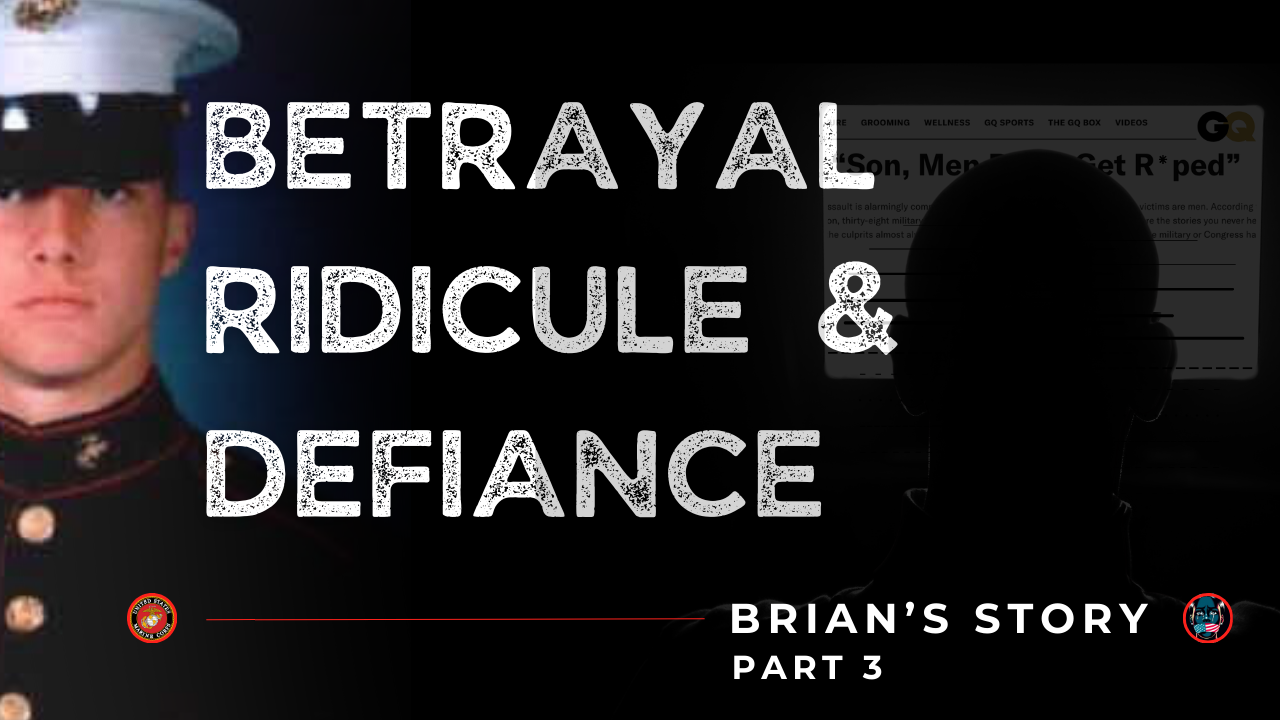
USMC veteran, Brian, shares his story in the latest episode of The Silenced Voices of MST
In the final part of this series, Brian, a Marine Corps veteran, gives us the meat and potatoes of managing PTSD, sleep, and intrusive thoughts. He credits much of his growth to guided meditations and continuously searching out new and different types of coping strategies that help him regain his power.

Brian's New Outlook on Life and Coping
Continuing his story from Part 2, Brian describes importance of meditation, finding the right therapist, and using storytelling as a tool for recovery. He also discusses the toxic culture within the military and why systemic change is necessary to protect future service members:
Trying to receive help

Pin it!
Brian explains how sleep meditation and hypnosis techniques helped him process his trauma and find a sense of calm amid the chaos. Apps like Headspace are beneficial to those who have difficulty with insomnia due to anxiety, PTSD, and intrusive thoughts that can make it next to impossible to fall or stay asleep.
Like many survivors, Brian faced roadblocks within the military and VA system when seeking acknowledgment and assistance. He discusses how victim-blaming and also having mental health providers give up on him several times made it even harder for him to make progress. But he does stress that if you need help, keep trying. You will find someone that you mesh with, it takes time with different personalities to work together and build trust and rapport in therapy.
Toxic Military Culture & Systemic Failures
Brian and Rachelle discuss how harassment, abuse, and leadership failures create a culture where MST continues to happen unchecked. Although many members of the military are ready to ignore or outright deny the experiences of lives touched by MST, it doesn’t change reality. MST is a problem, and will continue to be until we address it as a systemic issue that is deeply ingrained in military culture. Brian shares why he decided to go public with his story, despite the stigma and backlash survivors often face. He explains how telling his truth helped him reclaim his power and encourage others to do the same.
Brian urges fellow survivors to seek help, share their stories, and find community in advocacy.
Click here to explore more survivors stories.
"Holding onto trauma is like a disease—it eats away at you.”
Key Takeaways:
Meditation can be a powerful healing tool for MST survivors.
Speaking out about trauma can be liberating and empowering.
The military must enact systemic changes to support MST survivors.
Finding the right therapist is crucial—don’t stop searching until you find one that fits.
Every survivor’s story matters, and sharing it can help others heal.
Don’t forget to subscribe to our YouTube channel!
Join our mailing list to learn about upcoming episodes, new resources, and daily support.
Resources:
Visit Brian’s Website: 8Bmedia.com
Read More: GQ Article on Male Rape in the Military
Need help processing or want to share your story? Join our supportive community on Facebook: The Advocates of MST
National Sexual Assault Hotline: 1-800-656-HOPE (4673)
Michael Sealey’s Guided Meditations: YouTube Channel
Cal Melkez’s Sleep Meditations: YouTube Channel
If you are in crisis or need immediate support, call the Veterans Crisis Line: 988, then 1
If this episode resonates with you, please share it, comment your thoughts, and leave a review to help amplify survivor voices. Together, we can change the conversation around MST and push for meaningful reform.
🎧 Full Episode Available on Patreon: https://www.patreon.com/silencedvoicesmst
Part 1 of MSTy’s story will release on March 18, 2025.

Surviving Assault Secrets: The Stunning Repercussions For Men That Speak Up (Part 2)
Brian, a Marine Corps veteran, shares the next part of his journey from Marine to civilian in this episode. Explore the lasting impacts of military sexual trauma, PTSD, and the urgent need for support for male survivors. Read the full story and access helpful resources.

Brian shares his story in the latest episode of The Silenced Voices of MST
In Part 2 of this 3-part series, Brian, a Marine Corps veteran, shares what it was like to navigate life after separating from the Marine Corps. He goes to college, tries to cope through partying, drinking, and promiscuity and doesn’t tell a soul that he’s a veteran. After landing a job with Jose Cuervo, he has a mental break that leads to him finding a magazine article that changes his life prior to leaving for China to rediscover himself. He explores finding his love of storytelling and expresses frustration with the lack of progress made by science in support of finding a treatment method for people with debilitating PTSD. Brian opens up about the struggles he faced after leaving the military, including the relentless grip of PTSD, the battle to be heard, and how he found strength in writing and advocacy.
Brian's Journey: From Dishonorable Discharge to Medically Retired
Picking up from where he left off in Part 1, Brian talks about the immediate aftermath, how his discharge affected his ability to get vital mental health care, and the lack of support he encountered after word spread among his peers. It was nearly impossible for him to seek justice, leaving him to process his trauma on his own. He earned the nickname “Blackout King” in college and hid the fact that he was a veteran from everyone and speaks about finding unhealthy coping mechanisms, including:
Substance use – Numbing the pain through alcohol and other substances.
Self-destructive behaviors – Using promiscuity as a means of dealing with what happened
Trying to receive help

Pin it!
One of the most difficult battles Brian faced was not just recovering from trauma and unhealthy coping, but fighting for his experience to be acknowledged. He details the legal and bureaucratic hurdles that male MST survivors face when they seek recognition and support.
He shares his frustrations with the military’s reluctance to acknowledge male survivors and finally seeing that he was not alone in an article from GQ, titled “Son, Men Don’t Get Raped”. The article mirrored how MST, being improperlty discharged, and stigma impacts not only mental health care access but also disability claims and post-service support. This segment highlights the systemic failures that leave survivors without the help they desperately need.
Why Men’s Voices Matter
One of the major struggles for male MST survivors is finding therapy that actually works. Brian discusses the lack of specialized care for male survivors, the stigma of seeking help, and how many veterans are dismissed or misdiagnosed.
He shares how he eventually found therapists who understood his experience, and how trauma-focused therapy, meditation, and support groups played a role in his healing journey. Brian also calls out the lack of research and resources dedicated to male survivors of MST. He discusses:
The gaps in mental health services for veterans.
The need for better education about the true extent and definition of PTSD
The lack of research on military sexual trauma and PTSD that actually heals those who suffer
He stresses that change will happen if more survivors feel empowered to speak.
Click here to explore more survivors stories.
Brian notes that male survivors are often overlooked and underrepresented in conversations about sexual violence. He talks about the challenges of breaking through societal stigma and why it’s crucial for men to share their experiences.
"I found my path in storytelling..” – Brian
Key Takeaways:
Brian illustrates the struggles many veterans face after leaving the military when they've been harmed and are not discharged under honorable conditions
The importance of finding a voice for male survivors of sexual assault is crucial.
Coping mechanisms can vary widely, and what works for one may not work for another.
Storytelling can be a powerful tool for healing and advocacy.
Brian's experience with the legal system highlights the challenges faced by veterans seeking justice.
The need for societal recognition of male sexual assault survivors is urgent.
Cultural rituals and ceremonies can play a significant role in healing for veterans.
Mental health treatment is often a long and challenging process for veterans.
Brian's transition to storytelling reflects a broader need for veterans to share their experiences.
The fight for recognition and support for veterans with PTSD due to MST continues.
Join our mailing list to learn about upcoming episodes, new resources, and daily support.
Resources:
Visit Brian’s Website: 8Bmedia.com
Read More: GQ Article on Male Rape in the Military
Need help processing or want to share your story? Join our supportive community on Facebook: The Advocates of MST
If you are in crisis or need immediate support, call the Veterans Crisis Line: 988, then 1

Surviving Assault Secrets: The Stunning Repercussions For Men That Speak Up
Brian, a Marine Corps veteran, shares his journey from soldier to sexual assault survivor in this powerful episode. Explore the lasting impacts of military sexual trauma, PTSD, and the urgent need for support for male survivors. Read the full story and access helpful resources.

Brian shares his story in the latest episode of The Silenced Voices of MST
When we think of masculinity and military strength, the first image that pops into most people’s minds is a guy in the Marine Corps. Their motto says it all: The few. The proud. The Marines. It’s iconic, and so many young men and women respond to that message by enlisting or commissioning into the toughest service in the nation. But what happens more often than not is our blindness to the battles that men and women suffer in uniform among their peers. The amount of harassment and bullying is overlooked, and something like Military Sexual Trauma is hidden deeply away behind stoic facades and messages of honor and camaraderie.
In Part 1 of this deeply moving three-part series, Brian, a Marine Corps veteran, shares his journey from proud infantryman to survivor of sexual trauma and PTSD. His story gives us a look at the hidden experiences of male survivors in the military and the long-term repercussions of not only being victimized, but also speaking out and trying to receive help.
Brian's Journey: From Musician to Marine
Brian’s path to joining the Marines was similar to many that I’ve heard. It was a way to pay for school and his future musical aspirations, and military service was a family tradition. And although Brian had never felt pushed or encouraged to join by his family, a feeling of restlessness and boredom led him to a recruiter’s office at the age on 19, even after a friend warned him about joining. After a rough start and becoming fully immersed in USMC culture, he found himself and had a grueling, yet transformative experience while away at boot camp. Camaraderie, discipline, and feeling like he finally found his purpose shaped Brian, to the point that he excitedly called his parents one night saying, “This is what I want to do with my life.” But one serious injury and a night soon after changed his life forever.
What was supposed to be a night of NBA finals and letting off steam with a friend in San Diego, turned into a horrifying nightmare experience for both. Following their assaults, nothing was the same. Brian found himself isolated, bullied, and battling his mental health with little to no support. That led to trying to cope, by any means necessary… even career-ending ones.
Facing Harassment and Isolation

Pin it!
After reporting the assault, Brian found himself in a worse situation than he could have ever imagined. Instead of providing relief, his words opened the door to constant harassment and ridicule from fellow Marines, men who were supposed to be his brothers in arms. Almost instantly, he was ostracized in a place that once felt like it had become home. This response, no matter how common, is tragic. The stigma that persists in “traditionally male environments” like the Infantry, toward male victims remains a driving force as to why more men do not come forward for help after incidents like these. Many suffer in silence, because the alternative is even worse.
Another run-in with law enforcement led to Brian facing a Medical Evaluation Board and Physical Evaluation Board process. Despite his trauma, he remained unsupported, even while navigating the difficult processes. This led to career-ending coping methods, and an Other than Honorable discharge from service, which further impacted his life, long after he hung up the uniform.
Why Men’s Voices Matter
Brian’s story is not just about his personal trauma but a broader conversation about the barriers male survivors face when speaking out. By sharing his story, Brian hopes to encourage other men to seek help and impress upon listeners the importance of creating safe spaces for survivors.
Click here to explore more survivors stories.
Key Takeaways:
Brian, a writer, producer, and Marine Corps veteran, shares his journey through trauma, isolation, and recovery.
His experience underscores the stigma surrounding male survivors of sexual assault, particularly within the military.
Brian faced harassment and isolation after reporting his assault, reflecting the cultural challenges in addressing sexual trauma among men.
His struggle with PTSD and substance use emphasizes the urgent need for better mental health resources for veterans.
Watch Part 1 on YouTube
In Part 1, Brian shares his profound journey from being a Marine Corps infantryman to a survivor of sexual trauma and PTSD. He discusses his initial motivations for joining the military, the transformative experiences during boot camp, and the life-altering incident that led to his struggles with mental health, unhealthy coping skills, and disillusionment with the Marine Corps. Brian frankly recounts the challenges he faced, including isolation, harassment, and the difficulties in seeking help after his discharge.
Join our mailing list to learn about upcoming episodes, new resources, and daily support.
Resources:
Visit Brian’s Website: 8Bmedia.com
Read More: GQ Article on Male Rape in the Military
Need help processing or want to share your story? Join our supportive community on Facebook: The Advocates of MST
If you are in crisis or need immediate support, call the Veterans Crisis Line: 988, then 1
Part 2 of Brian’s story will release on March 4, 2025.

BIG VOICE MST | Podcast News Update - February 19th
Hi Madvocates, we’re back after a very long break. It’s time to share some updates with the podcast as well as news about MST and our community of victims, advocates, and survivors.

Hi Madvocates, we’re back after a very long bresk. My apologies, I was quite ill for a long time. I had Covid, then an Upper Respiratory infection, the Covid again! Then my super intelligent self decided that getting the flu and Covid vaccine afterward was a great idea. Spoiler alert: It was not!
We are back though, and it time to share some updates with the podcast as well as news about MST and our community of victims, advocates, and survivors.
Our next episode will be starting on February 25, 2025. Our guest is named Brian, and he’s a former U.S. Marine Corps Infantryman. In the clip below, he shares the surreal experience of finding the GQ Article: https://www.gq.com/story/male-rape-in-the-military
So, another thing to bring up is The BIG VOICE. I wanted to bring that back, but with my schedule, adding another set of videos would not be feasible. But blog posts are! So I’ll be sharing a few news stories once a week to update the community on big news concerning MST globally, progress in accountability, and keeping an eye on how the new administration’s changes will affect us.
Soldier's tragic inquest sees more than 1,000 military women share stories of rape, abuse and harassment - as Army chief tells senior officers to 'step up'
Daily Mail UK
By Noor Qurashi and Andy Dolan
The head of the Army has written to senior officers condemning 'shameful behaviour' after more than 1,000 women shared stories following the suicide of a teenage soldier.

In a letter seen by MailOnline, General Sir Roly Walker said he was 'disgusted' by new allegations of sexual abuse and that the behaviour does not match 'our values and standards'.
It comes amid an inquest into the death of Gunner Jaysley Beck, 19, who was tragically found dead at Larkhill Camp in Wiltshire on December 15 2021.
She had previously complained about the behaviour of a senior colleague who 'pinned her down and tried to kiss her' as well as another 'psychotic and possessive' male colleague who she feared had hacked her phone.
An Army service inquiry report published in October 2023 said it was 'almost certain' an 'intense period of unwelcome behaviour' had been a causal factor in the teenager's death.
Now, hundreds of women have shared stories of being raped, abused and harassed while serving in the military as the inquest into Gunner Beck's death continues.
Posts uploaded anonymously to social media include allegations of women being pinned to the floor by male officers as well as reports of men trying to force their way into their female colleagues' rooms.
Read the article here: https://www.dailymail.co.uk/news/article-14411121/soldier-inquest-100s-women-stories-sex-abuse.html
Soldiers Who Are Domestic Violence Victims
Psychology Today
By Lisa Aronson Fontes Ph.D. and co-authored with Rachel Arment, JD
No one welcomes or invites domestic abuse. Certain life experiences may make a person less likely to recognize it. Our experience suggests that military training, along with childhood abuse, may prime people to suffer intimate partner abuse in silence.
“I can see how a military background, where their intention is to break you down, set me up to accept life with my husband. In bootcamp and as an enlisted person in the army, mistreatment was normal. I was expected to perform well under stress and duress. I did not have much of my identity or self-worth left. When I got together with my abuser, I felt a lot of pride and identity in helping him and his kids. I cooked elaborate meals, made his place into a home, and kept his house clean. I sucked it up when he was nasty, demanding, and unkind.” –A former military service member who became a victim of domestic abuse
Enlistees are generally quite young when they join the military. Their training and early service may be their first job, their first time away from home, and their first time out of the United States, if they ship out. These new experiences come with the expectation of total dedication. Employment is contracted rather than at will. Someone who is kicked out or who chooses to resign is seen as failing in the core values.
Read the article: https://www.psychologytoday.com/sg/blog/invisible-chains/202502/soldiers-who-are-domestic-violence-victims
Lawmakers want answers on DoD’s pause on sexual assault training
Federal News Network
By Michele Sandiford
House Democrats are pressing the Defense Department about the military services pausing sexual assault prevention and response training programs. In a letter to Defense Secretary Pete Hegseth, the lawmakers said the decision is “not only irresponsible but also dangerous.” The lawmakers also said the law requires providing this training to incoming service members, civilian employees, first responders and staff directly supporting victims. At least some military branches have paused the program as the Defense Department works to comply with President Donald Trump’s executive order banning all diversity, equity and inclusion initiatives across the government.
Read the SAPR Oversight Letter: https://sarajacobs.house.gov/imo/media/doc/sapr_oversight_letter.pdf
Read the article: https://federalnewsnetwork.com/federal-newscast/2025/02/lawmakers-want-answers-on-dods-pause-on-sexual-assault-training/
Alright, that’s our post. Please feel free to share the clip, and tune in on February 25, 2025.