
Military Sexual Trauma and Letting Go of Repressed Pain: Ron Carter (Part 2) | The Silenced Voices of MST with Rachelle Smith
Military Sexual Trauma survivor Ron Carter appears on The Silenced Voices of MST to share the experiences that shaped his early service, the assault he endured, and the long-term effects that developed when the trauma went unrecognized. This interview begins a three-part series that follows his path from enlistment through MST, behavioral collapse, and his eventual understanding of PTSD outside of combat contexts. His story offers clear insight into how MST develops within military structures and how untreated trauma influences thinking, memory, relationships, and emotional regulation over decades.
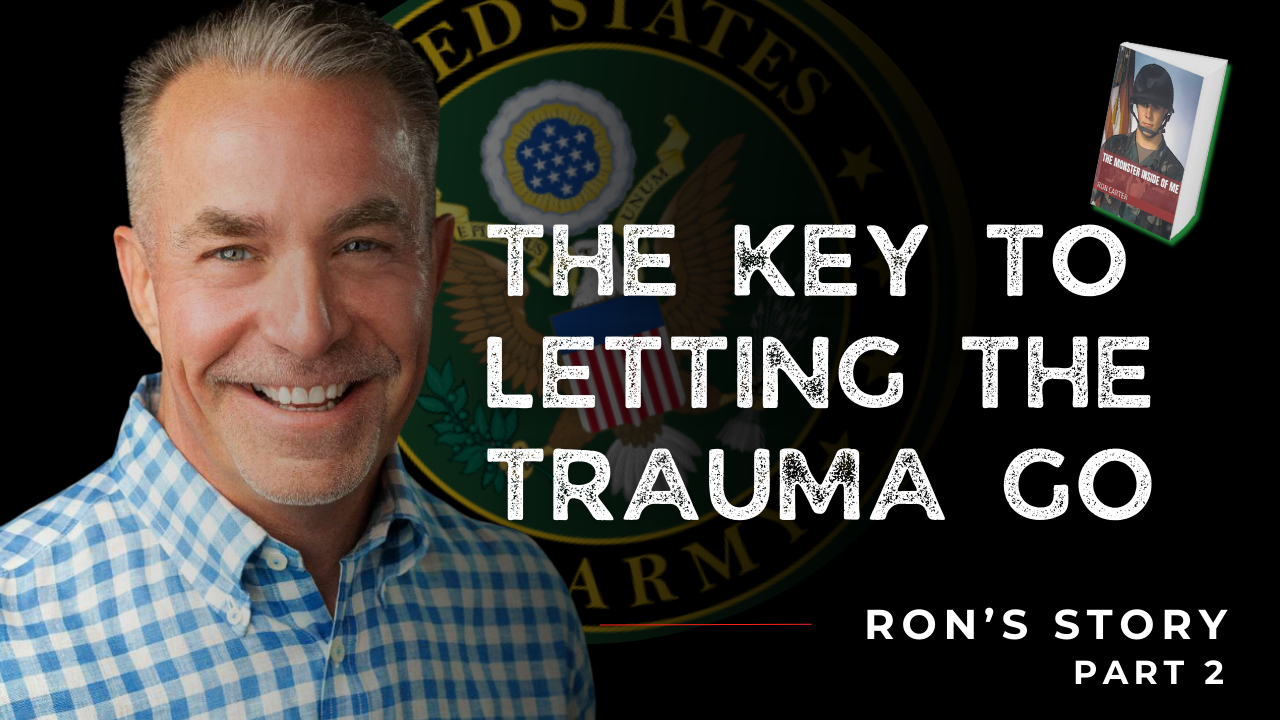
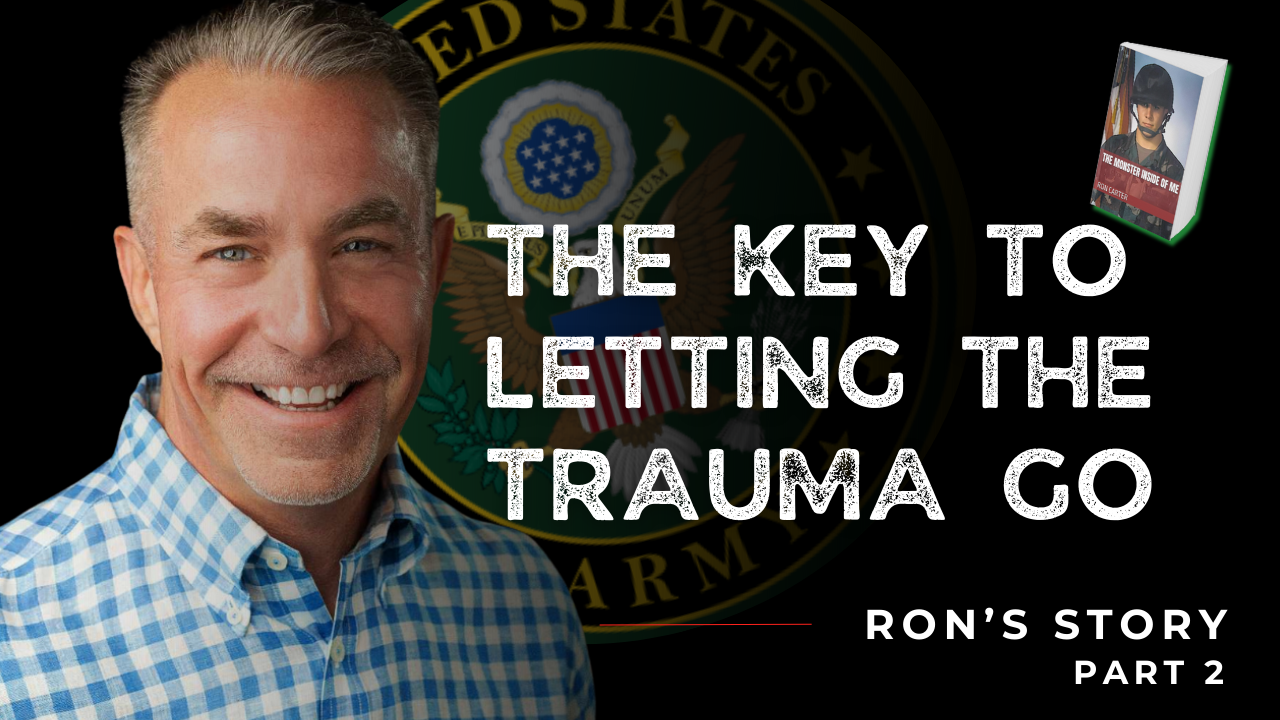
U.S. Army veteran Ron Carter discusses Military Sexual Trauma, finding benefit in doing intensive therapy and somatic release to come to terms with what he survived while serving on The Silenced Voices of MST.
U.S. Army veteran Ron Carter continues his story on The Silenced Voices of MST. In Part 1, Ron shared his experience of assault and decades of undiagnosed PTSD. In Part 2, he shares a possible reason for the outcome of filing his disability claim with uncharacteristic ease that validated his trauma and raised more questions, reaching his breaking point at an annual VA appointment, and his experiences through therapy and alternative treatments. Ron shares many profound insights going from crisis to acceptance, the role of persistence in navigating, and what is possible when survivors finally find therapies that work.
Military Sexual Trauma survivor Ron Carter appears on The Silenced Voices of MST in Part 2 of his 3-part series to recount what it was like finally seeking help after trying to live his life without acknowledging or understanding the severity of his assault while serving in the Army. An unexplained breakdown and an understanding VA staff led to him remembering the trauma he’d repressed for 35 years, and as soon as he could, he began treatment for PTSD and other mental illnesses that had resulted. He shares the methods of therapy he used to begin healing, including a detailed account of how Psilocybin therapy offered him somatic release from the trauma that remained trapped in his body. He and Rachelle discuss how predators and perpetrators can be held accountable, as well as their hopes for future generations having safety without people who commit crimes and harm having many places to hide. This episode provides invaluable insights into the importance of having support, numerous methods of therapy to choose from, and acknowledges that the military needs to do something in order to protect the men and women called to serve the country.
Dealing with the VA Disability Claims Process
Ron initially avoided anything connected to his military service. Years of suppressing his trauma led to a disconnect from the experiences that shaped his post-military life. He describes burying the assault so deeply that he convinced himself it never happened, or at least that it didn't matter anymore. This avoidance extended to the VA system itself. Ron resisted engaging with the VA because the military had already failed him once, and he questioned why the VA would be any different.
Despite his resistance, Ron eventually filed for PTSD disability. The approval came quickly. The VA granted him a 70% rating, but Ron was surprised about how easy it was to get to 100% with the help of a lawyer. The unexpected ease of the approval process raised questions about his perpetrator. Had the platoon sergeant harmed more people the same way? Without answers, Ron recalls that at times, he still feels rage resurface about that day. But he is also unsure that he would want that information, because he wasn’t sure if he’d be able to keep himself from doing anything about it.
Expressing deep concern for the future service members in the Armed Forces, he points out that he is oddly glad that if an assault were to happen to him at any point in his life, he was grateful that it was while serving in the military. Now, there are multitudes of resources and help available when someone understands what happened to them. The veterans’ benefits helped him and his family, while he realizes that civilians don’t usually have the same access to care. He calls this a silver lining.
But he does want the next generations to not be a part of the current epidemic of military sexual trauma. He shares the numbers of people affected and suicides each year, and the infuriation of this continuing to happen consistently to the young people who are choosing to serve.
The Exhaustion that Led to Confronting the Past (Trigger Warning)
Trigger Warning: This section contains discussion of mental health crisis.
Even with the disability rating, he spent years holding everything in, feeling as though he was the only person this had ever happened to. Then came the breaking point at an annual appointment at the VA.
"I went to talk and I couldn't talk. I started crying uncontrollably." Ron explains. The trigger for the breakdown?
The Physicians Assistant asked, “Hey Ron, how are you?”
“I can’t live like this anymore. I’m tired of
fighting.”
All those years of suppressing his trauma, and suddenly he couldn't do it anymore. He describes sitting in that VA office, confronting suicidal thoughts he'd been pushing away for decades. He was exhausted from hypervigilance and not understanding what was happening inside his body and mind. When the PA called a Psychiatrist down, he wasn’t able to speak to her either. It took quite a while for him to calm down enough to say, “I can’t live like this anymore. I’m tired of fighting.”
Ron's sudden outburst was the culmination of years of isolation that nearly cost him his life during ongoing battles with suicidal ideation. The breakdown forced him to acknowledge that he could no longer survive by burying his pain. He needed help, and he needed it immediately. This crisis became the turning point that led him toward therapy, treatment, and eventually healing.
Remembering His Assault: Rediscovering Buried Memories
U.S. Army veteran Ron Carter discusses Military Sexual Trauma, finding benefit in doing intensive therapy and somatic release to come to terms with what he survived while serving on The Silenced Voices of MST.
The psychiatrist that Ron spoke to listened to what Ron had been struggling with for decades, and identified severe depression and PTSD . He responded that he couldn’t have PTSD, because he hadn’t been in combat. The therapist told him to think about it to see if he could remember and assured him that it could be caused by more than combat.
In the interview, he says that he had forgotten what had happened, but memories of the assault began to surface after a few days of ruminating. Shocked, he had to gather his courage and return to the psychiatrist, saying flatly what happened through another crying jag. The doctor didn’t judge, and immediately got Ron into treatment and resources to begin the work of healing.
He didn't have the language or framework to understand what he was experiencing. Not realizing he had PTSD for decades meant also understanding it was real and damaging.
This process is common among trauma survivors. The brain protects us by suppressing memories too painful to process, but they don’t disappear completely. They continue to live in our bodies, affecting our relationships, our mental health, and our ability to function. Therapy gave Ron permission to remember. More importantly, it gave him tools to process without being destroyed.
Embracing Therapy and Psilocybin Treatment
Ron tried multiple therapeutic approaches, including Cognitive Based Therapy and Written Talk Therapy and Written therapy helped, but it was a psilocybin treatment that created a breakthrough. He made serious progress identifying the experiences that harmed him, but still felt as though the trauma was trapped in his body for decades.
"I had a conversation with God," Ron explains. “It’s weird to talk about because I’ve not met a person yet who’s done it that can do it any justice with words."
Ron acknowledges that healing is a uniquely personal journey for everyone. What works for one person may not work for another, but the key is remaining open to different approaches and being willing to try new methods when traditional therapy plateaus.
Written therapy allowed Ron to express thoughts he couldn't speak aloud, and psilocybin allowed him to access emotions he couldn't reach otherwise. He describes the experience as finally being able to release pain he didn't even know he was carrying, by seeing that all humans are connected and loved. The biggest lesson he took away from the hero dose session: I’m always loved, and I will always be loved.
Ron's Advocacy Mission
"Why would we go through these things if we can’t turn it into something that’s positive?" he asks, then emphasizes, "I want to help people, young men and women."
Ron now focuses on raising awareness about MST and supporting other survivors. His mission is clear: prevent the next generation of service members from experiencing the same trauma. Being silent for decades was survival in a system that punishes vulnerability. Talking openly on social media about his experience so others don't have to suffer in isolation, which results in receiving messages from people encouraged by his vulnerability to seek help.
Frequently Asked Questions about Military Sexual Trauma and Male Survivors
-
About 1 in 50 male veterans report military sexual trauma (VA National Center for PTSD), but studies using anonymous survey methodology found rates as high as 12.4% (Trauma, Violence & Abuse, 2011). The gap between reported and actual incidents reveals massive underreporting. Because of the higher ratio of men to women in the military, the raw numbers of men and women who experience MST are comparable, challenging the misconception that MST primarily affects women.
-
About 90% of men in the military did not report a sexual assault they experienced in 2021 (DAV). Overall, it's estimated that 77% of service member sexual assaults go unreported. Male survivors often worry that others will perceive the assault as weakness, femininity, or homosexual orientation. These cultural barriers, combined with fear of retaliation and career damage, make it especially difficult for male survivors to come forward.
-
MST survivors are 7.25 times more likely to be diagnosed with PTSD than those who did not experience sexual trauma (Columbia Social Work Review). The severity of PTSD from MST is extreme. This is because MST involves betrayal by trusted colleagues within a system meant to provide safety, creating compounded trauma that requires specialized treatment.
-
From 2011 to 2021, the total number of MST claims filed by men increased by more than 119%. The number of claims granted by the VA grew from 27.8% in 2011 to 68.5% in 2021 (VA Claims Insider). This shows significant progress, though it also reveals how many survivors had to fight for recognition and validation of their trauma.
-
Roughly 17 veterans die by suicide each day (VA Mental Health), and military sexual trauma puts veterans at significantly higher risk. MST survivors face compounded trauma that requires specialized support. If you or someone you know is in crisis, call the Veterans Crisis Line at 988, then press 1.
-
Recent studies show that 60% of veterans with severe treatment-resistant depression who received psilocybin treatment met response criteria at three weeks. The VA announced funding for MDMA and psilocybin-assisted therapy studies in 2024, marking the first time since the 1960s that the VA has funded research on psychedelic compounds. Nine VA facilities are now participating in these studies.
-
No. You don't need a service-connected disability rating or other VA benefits to receive MST-related care. Every VA facility has an MST coordinator available to help survivors access treatment and support. Call your local VA or visit www.va.gov to connect with an MST coordinator.
Episode Trigger Warnings and Timestamps
00:00 VA Disability Claim and Possible Patterns of Abuse
Triggering content 2:57 - 4:38 (suicide + MST statistics)
06:28 Breaking Down at the VA and Confronting Buried Trauma
Triggering content 6:51 - 10:59 (Suicidal ideations, breakdown, remembering his repressed trauma)
11:08 Ron’s Beginning Different Modalities of Therapy
14:20 Ron’s Conversation with God
19:48 The Relationship Between Technology, Connection, and Accountability
23:30 Preview of Part 3 of Ron’s Story
Resources from this Episode
Resources for Survivors
If you or someone you know is struggling with military sexual trauma, resources are available. For additional support navigating VA claims, download our free VA Disability Toolkit.
VA MST Support: Every VA facility has an MST coordinator. You don't need a service-connected disability rating or other VA benefits to receive MST-related care. Call your local VA or visit www.va.gov to connect with an MST coordinator.
Veterans Crisis Line: Call 988, then press 1. Available 24/7 for veterans in crisis. You can also text 838255 or chat online at VeteransCrisisLine.net.
Military OneSource: Offers confidential counseling and support for active-duty service members and their families. Call 800-342-9647 or visit MilitaryOneSource.mil
The Advocates of MST: By joining The Advocates, you add to a powerful collective voice that demands attention and action. Connect with others who understand your experiences and are committed to supporting each other. Find support at https://www.facebook.com/groups/theadvocatesofmst
Watch or Listen to Ron's Full Story
You can hear Part 2 of my interview with Ron Carter on The Silenced Voices of MST podcast available on all major podcast platforms including Apple Podcasts, Spotify, and YouTube. We dive deeper into his experience with the VA, his therapeutic journey, and his current advocacy work. If you haven't already, listen to Part 1 of Ron's story where he shares his assault experience and the years of undiagnosed PTSD that followed.
Healing is the end goal of military sexual trauma. You’re not alone, and you can explore more survivor stories and resources on our blog.
About the Guest
Ron Carter is a former Army infantryman turned MST advocate. After surviving a premeditated and devastating assault while on active duty, he committed himself to supporting others who have been affected. Through speaking engagements and community work, Ron pushes for better resources and policy change and uses his platform to amplify survivor voices.
About the Host
Rachelle Smith is the host of The Silenced Voices of MST and a survivor of military sexual trauma. She served as a Public Affairs Officer in the Air Force after growing up in a military family. Her experience with MST and the years spent struggling with PTSD and depression gave her a unique understanding of what survivors face.
This podcast exists because she knew firsthand how isolating MST can be. Since launching The Silenced Voices of MST in 2023, she’s interviewed dozens of survivors, advocates, and experts. Her mission is to empower survivors by providing a space to amplify survivor stories and demand change.
Help Keep This Podcast Going
I've been funding this podcast entirely on my own since 2023, and it hasn’t been easy. If this work has helped you or someone you care about, please consider supporting it with a monthly donation. Even $10 a month makes a real difference in covering hosting, editing, and production costs.